
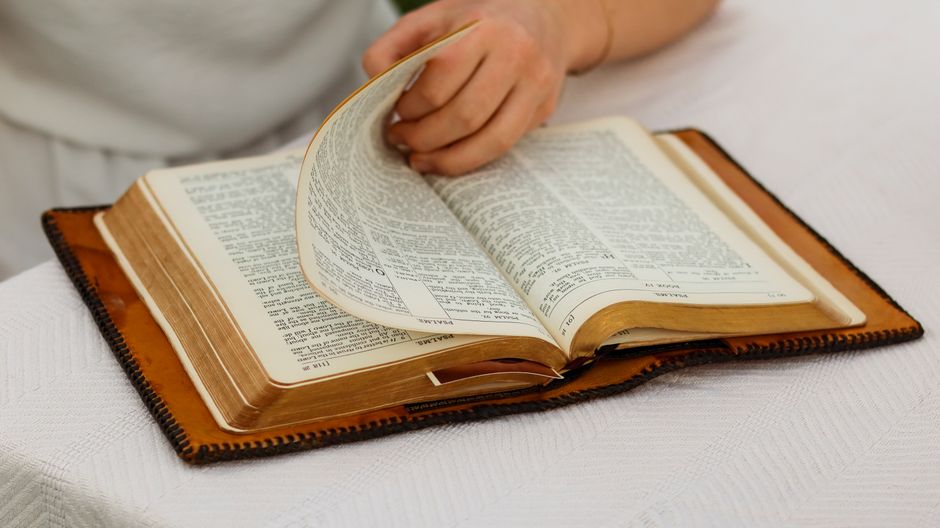
Welcome to this deep-dive study of Proverbs chapter 28, a powerful collection of wisdom that contrasts the lives of the righteous and the wicked. Together, we will unpack the biblical principles of integrity, justice, and the fear of the Lord, seeking to apply these timeless truths to our modern walk with Christ.
Proverbs 28 — Historical and Spiritual Context
Proverbs 28 is part of the second major collection of Solomon’s proverbs, transcribed by the men of Hezekiah, King of Judah (Proverbs 25:1). Written during a period of national spiritual reform, these proverbs were intended to instruct the leadership and the citizenry of Israel in the paths of righteousness, integrity, and social justice. You can read Proverbs 28 on Bible Gateway to familiarize yourself with the full text before we proceed.
The overarching theological theme of this chapter is the stark antithesis between the path of the wicked and the path of the righteous, particularly as it relates to leadership, wealth, and the conscience. In our contemporary age, this chapter serves as a mirror, challenging the believer to examine their motives in business, their courage in public life, and their reliance on the sovereignty of God over human schemes. It teaches that true stability is found not in political power or earthly riches, but in the unwavering fear of the Lord.

Verse-by-Verse Commentary on Proverbs 28
Proverbs 28:1 — Meaning and Explanation
“The wicked flee when no man pursueth: but the righteous are bold as a lion.”
This verse highlights the psychological and spiritual state of the ungodly versus the godly. While the wicked live in a state of perpetual anxiety and paranoia due to their guilty conscience, the righteous possess a confidence rooted in their relationship with God. This divine boldness is not human arrogance, but a byproduct of being in right standing with the Creator.
The Hebrew word for “bold” is batach, often associated with trust or security, though here it implies a courageous confidence, or yabaq (Strong’s H982). The “wicked” are those who have abandoned the law of God, leaving them with no internal anchor. When we walk in integrity, we are shielded from the “fear that hath torment” (1 John 4:18), allowing us to stand firm even when the world around us is in chaos.
Proverbs 28:9 — Meaning and Explanation
“He that turneth away his ear from hearing the law, even his prayer shall be abomination.”
This verse serves as a sobering warning regarding the hypocrisy of seeking God’s favor while simultaneously rejecting His moral authority. God does not treat prayer as a mere ritual; He requires a heart that is submissive to His revealed Word. When we willfully disregard the commandments of Scripture, our communion with God is effectively severed.
The word “abomination” is the Hebrew tow’ebah (Strong’s H8441), a term frequently used in the Old Testament to describe things that are detestable or offensive to God’s holiness. This teaches us that true prayer is not a one-way street where we make demands of God; it is a two-way relationship that begins with our obedience to His instructions. If we want our prayers to be heard, we must first have a heart that listens to His law.

Proverbs 28:13 — Meaning and Explanation
“He that covereth his sins shall not prosper: but whoso confesseth and forsaketh them shall have mercy.”
This is the quintessential verse on repentance and the danger of hypocrisy. Solomon instructs that hiding our transgressions leads to spiritual stagnation and judgment, whereas transparency before God—coupled with a genuine turning away from sin—unlocks the floodgates of His divine mercy and restoration.
The Hebrew word for “confesseth” is yadah (Strong’s H3034), which implies an open declaration or an “acknowledgment” of the truth. Crucially, confession is incomplete without “forsaking” (azab), which means to abandon or leave behind. This verse reminds us that grace is not a license to continue in sin, but the power to be delivered from it. We can find extensive cross-references and commentaries on this doctrine at the Blue Letter Bible.
Proverbs 28:20 — Meaning and Explanation
“A faithful man shall abound with blessings: but he that maketh haste to be rich shall not be innocent.”
Solomon warns against the “get-rich-quick” mentality that often leads to moral compromise. In a world that prizes instant gratification and shortcuts, the Bible upholds the virtue of faithfulness—being reliable, honest, and patient in one’s labor. The person who prioritizes integrity over rapid wealth accumulation is the one who truly thrives.
The term “faithful” (emun) refers to someone who is steadfast, trustworthy, and firm. In contrast, those who “make haste” to be rich often ignore the ethical boundaries set by God. They become susceptible to greed, which is described in 1 Timothy 6:10 as the root of all evil. This verse encourages the believer to focus on being faithful in their current stewardship, trusting that God’s timing and provision are superior to any scheme we might concoct.

How to Apply Proverbs 28 in Your Daily Life
Applying Proverbs 28 requires a shift in perspective from the world’s frantic pace to God’s eternal standard. In your professional life, this means refusing to cut corners or “cook the books,” even when your peers are doing so to get ahead. When you face pressure to compromise your ethics, remember that the “wicked flee when no man pursueth”—your peace of mind is worth more than any ill-gotten gain. Choose to be the “faithful man” who builds a reputation for honesty, knowing that God honors integrity.
In your family life, this chapter calls for a culture of confession. Create a home environment where mistakes are acknowledged rather than covered up. When a spouse or child confesses a fault, respond with the same mercy that God shows you. By modeling transparency, you teach your children that they do not need to hide their struggles from you or from God, but can bring them into the light where they can be healed.
Finally, in your spiritual walk, make your daily prayer life a reflection of your commitment to the Word. Before you bring your petitions to the Lord, spend time in the Scriptures. Ask yourself, “Is there any area where I am turning a deaf ear to God’s law?” If you find one, repent immediately and forsake it. Your prayer life will transform from a list of demands into a vibrant, living conversation with your Heavenly Father.
A Prayer Based on Proverbs 28
Guided Scriptural Prayer
Heavenly Father, I come before You today acknowledging that my only true security is found in Your righteousness. Please grant me the boldness of a lion as I walk through this world, that I might stand firm in the truth even when it is unpopular. I repent of any secret sins I have tried to hide; I bring them into Your light, asking for Your mercy and the power to forsake them forever. Help me to be a faithful steward of my time and resources, resisting the urge to compromise for the sake of worldly gain. May my heart always be open to Your law, and may my prayers be a sweet incense in Your sight. In Jesus’ name, Amen.
Frequently Asked Questions About Proverbs 28
What is the main message of Proverbs 28?
The main message of Proverbs 28 is that integrity and the fear of the Lord lead to stability, blessing, and peace, while wickedness and moral compromise lead to fear, instability, and judgment. The chapter contrasts the life of the righteous—who walk with confidence and honesty—with the life of the wicked—who are driven by paranoia, greed, and a desire to hide their sins. It serves as a practical guide for living in a way that aligns one’s public actions with their private heart, emphasizing that spiritual prosperity is found in obedience to God’s law rather than in worldly shortcuts.
What does Proverbs 28:13 mean for Christians?
Proverbs 28:13 is a foundational principle for Christian repentance and restoration. It teaches that we cannot prosper spiritually if we attempt to cover up our sins, as this creates a barrier between us and God. However, when we humbly confess our faults to God and turn away from them (forsake them), we receive His mercy. For the Christian, this means that transparency is the path to freedom. We do not need to live in shame; instead, we are invited to bring our failures to the Cross, knowing that God is faithful to forgive and cleanse us through Christ.
Why does Proverbs 28 link the “fear of the Lord” to leadership and justice?
Throughout Proverbs 28, the “fear of the Lord” is presented as the essential requirement for those in positions of power and for the general conduct of society. Verse 2 and verse 28 suggest that when leaders and citizens lack the fear of God, justice is perverted, and nations fall into disorder. The fear of the Lord acts as a moral compass that prevents the abuse of power and ensures that the weak are protected. When we fear God above men, we prioritize His justice over our personal interests, which is the cornerstone of a healthy and righteous society.
May the wisdom found in this chapter illuminate your path and strengthen your heart as you seek to honor God in all that you do.